
 Mitsubishi Chemical Advanced Materials Plastics (MCAM) is a global manufacturer of injection-molded, systems-critical polymer components and sub-assemblies. From design and tooling to molding and assembly, MCAM delivers complete solutions from a single source.
The company faced familiar challenges in the medical device sector: long validation processes, complex prototyping, and limited access to additive manufacturing capable of producing high-end engineering plastics with precision.
“Working with Matsuura Machinery, cards PLM Solutions and Siemens Digital Industries Software helped us prove that we can change the design of a mold and actually improve the product,” said Kristof Declerck, Project Development Engineer at MCAM.
A Smarter Path to Mold Design
In developing a new medical device, MCAM needed a faster way to produce high-precision molds without compromising quality. Traditional metal 3D printing and post-processing required up to 16 weeks per mold, with multiple costly iterations.
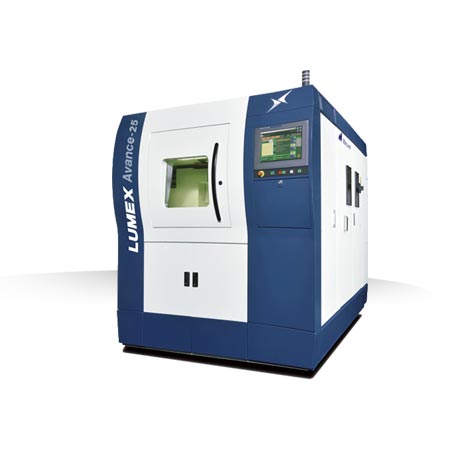
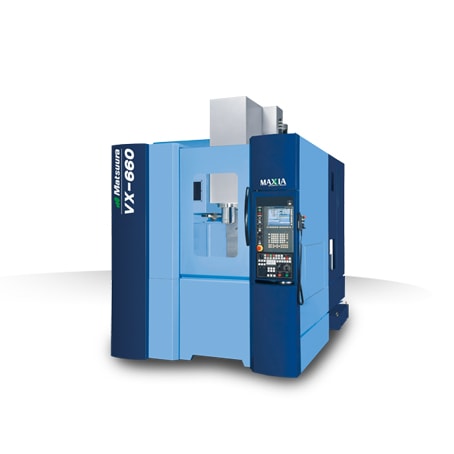
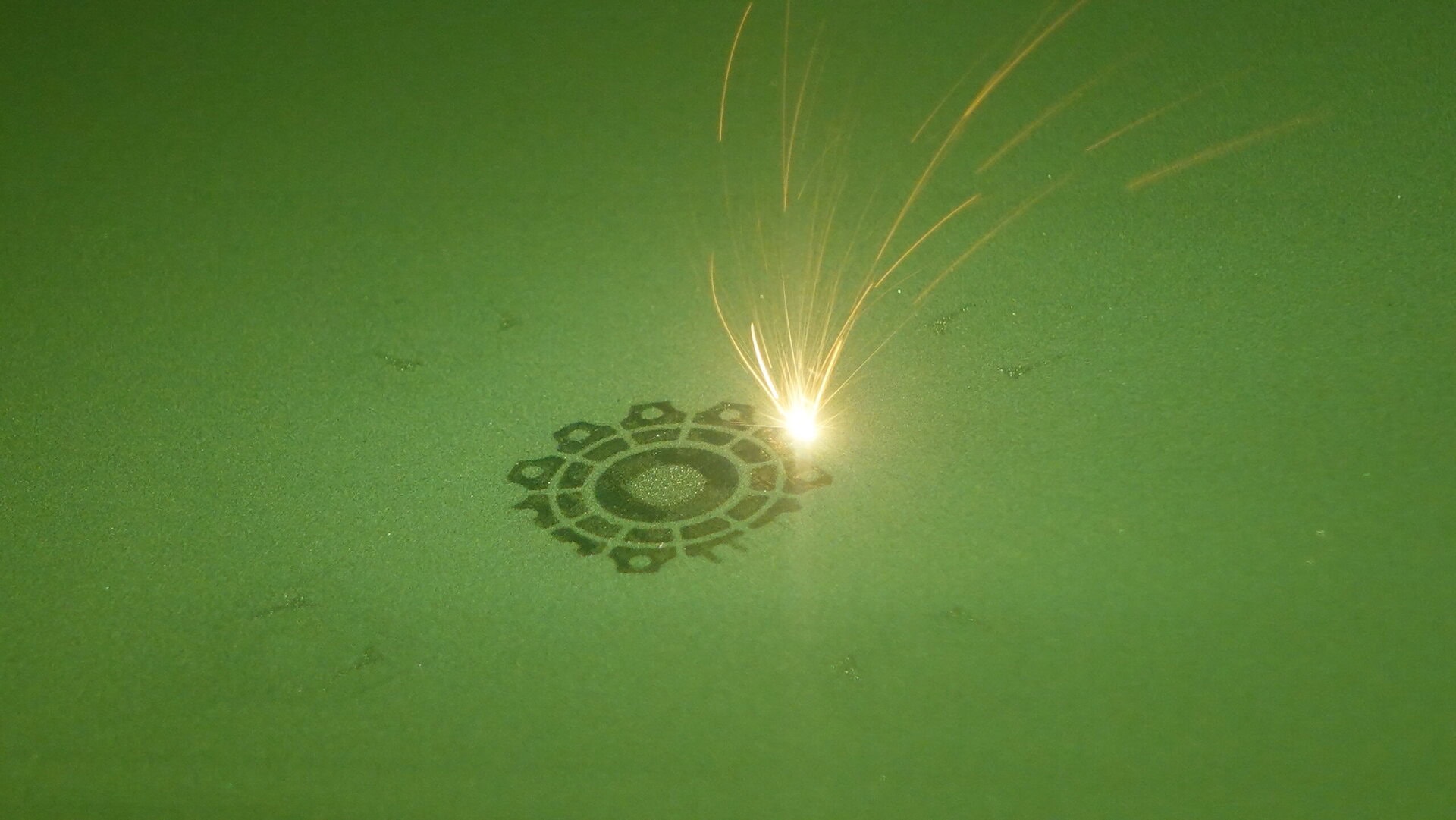
To meet their goals, MCAM adopted a hybrid additive manufacturing approach using the Matsuura LUMEX Avance-25. The hybrid platform combines laser powder bed metal printing and high-speed milling in a single process, allowing mold inserts to be produced in one step. The result was a 55 percent reduction in lead time and a 60 percent reduction in material weight compared to conventional machining.
“The time it takes to develop a mold is dependent on the complexity of the part, but for the mold we wanted to create, production time could take anywhere from 8 to 16 weeks,” said Declerck. “On top of that, we typically go through two-to-three iterations per mold. This creates too much delay in the design validation stage for our customer.”
Using the LUMEX Avance-25, MCAM reduced mold production time to one week, transforming its design and validation process.
Optimized Design Through Simulation
To push performance even further, MCAM used Siemens NX topology optimization and Simcenter software to refine mold designs. These tools allowed engineers to simulate real-world stresses, optimize material placement, and validate structural performance before printing.
“Using this approach, we achieved a topologically optimized design,” said Declerck. “We were able to use only the exact amount of material that was absolutely necessary, which gave the strength needed for the application.”
This optimized design approach cut production time to 10 hours, half that of the traditional subtractive method.
A Proven Hybrid Advantage
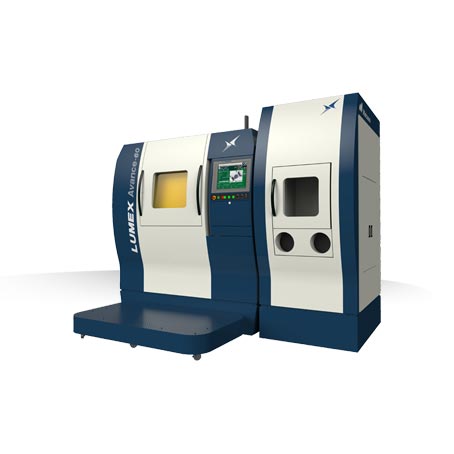
MCAM’s success with Matsuura hybrid additive technology has reshaped its design and production capabilities. The LUMEX Avance-25 enables the company to integrate precision, speed, and flexibility in producing molds for medical devices, where quality and reliability are critical.
“We plan to use this approach in future projects using Siemens products for designing and validating complex mold systems,” said Declerck. “It was extremely critical to us at the start of this project that we gain complete confidence in the design before it begins printing.”
By combining the LUMEX Avance-25 with Siemens design and simulation tools, MCAM has achieved faster lead times, improved part quality, and greater confidence in production outcomes.
Learn more about Mitsubishi Chemical Advanced Materials Plastics at www.mcam.com.